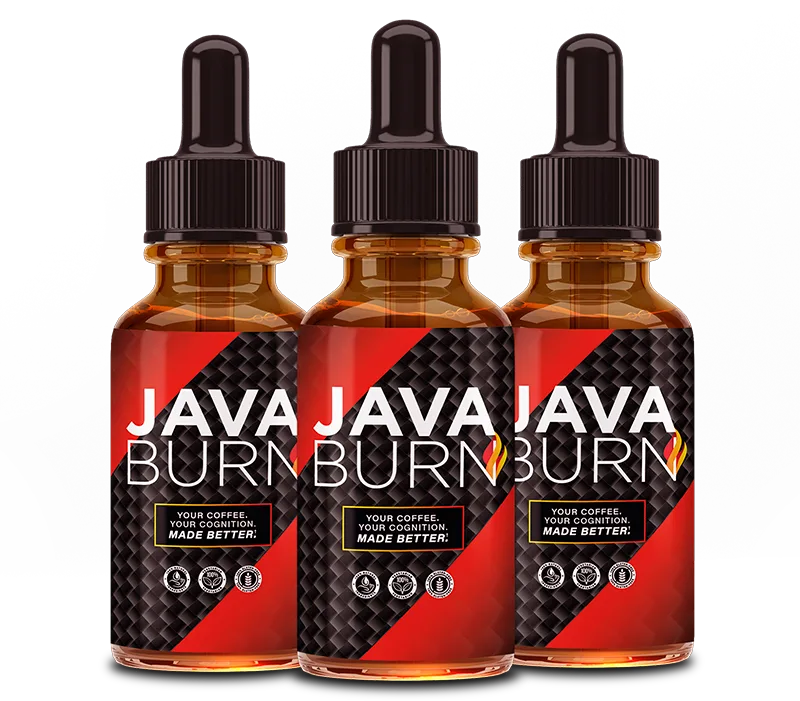

Already know you want Java Burn?
Skip straight to current pricing and the best available discount on the official order page.
What "Morning Coffee Ritual" Actually Means
Coffee has been studied for decades for its effect on alertness and metabolism, mostly because of caffeine. Short-term research has linked caffeine to a modest, dose-dependent rise in metabolic rate: a 100mg dose (about one cup) has been shown to raise it 3-4% for about 150 minutes, with larger doses producing a larger but still measurable effect. A "morning coffee ritual," as we use the term on this site, is the idea of consistently adding something to that daily cup, whether a spice, an extract, or a formulated powder or liquid drops, instead of taking a separate pill or shake, as a small, repeatable step in a broader routine. We break down the actual research behind that number in our coffee metabolism booster guide.
That idea went viral on social platforms as the "coffee loophole" or "coffee hack" trend, often framed as a near-instant fix. The underlying science is real but narrower than the trend suggests: a coffee add-in can be a reasonable, low-effort habit to pair with diet and activity, not a replacement for either.
If you came here looking for morningcoffeeritual.net: it is the official Java Burn order page, the product the ads call the morning coffee ritual, and it now sells Java Burn as liquid drops you add to your coffee. The .org, .com and .co addresses are official Java Burn pages too, but they sell the powder packets at their own prices. This site is an independent review site and doesn't sell anything. We checked that store, its checkout and its refund terms in MorningCoffeeRitual.net Reviews.
Reviews & Guides
Quick Questions
What is a "morning coffee ritual"?
In the context used on this site, a morning coffee ritual means consistently adding a specific ingredient or supplement to your daily coffee, instead of a separate pill or shake, as a small, repeatable step meant to support metabolism and energy. It's built on the real, modest, well-documented effect caffeine has on metabolic rate, though social media has since turned it into a bigger promise than the underlying science supports.
Does adding a supplement to coffee actually help with metabolism?
Caffeine alone has a documented, modest effect on metabolic rate. Certain add-in ingredients (chlorogenic acid, green tea extract, chromium, and others) have their own individual research behind metabolism and blood sugar support. Whether a specific product delivers a specific result for you depends on the person, the dose, and consistency. No coffee addition replaces diet, activity, and sleep as the main factors.