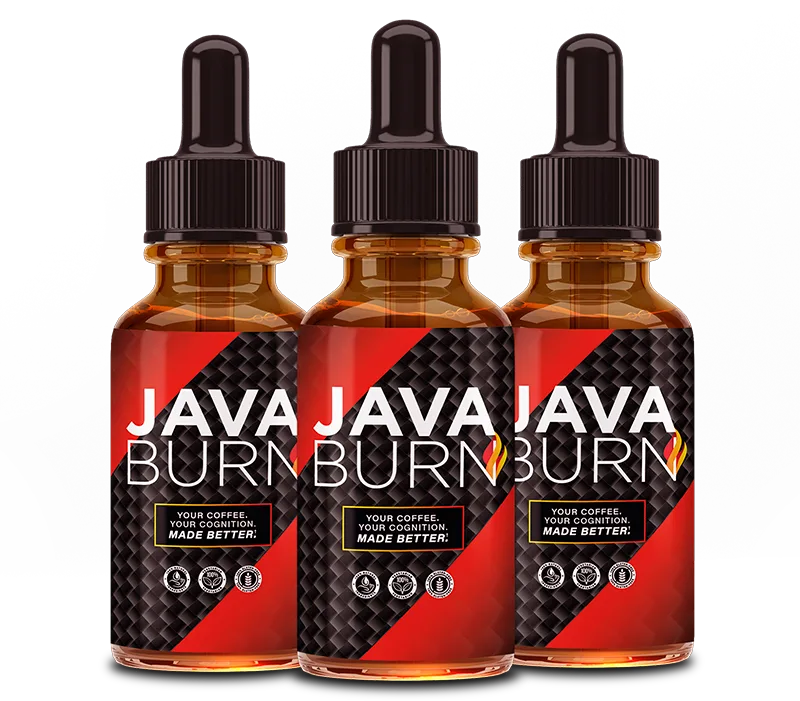
The real research behind caffeine and metabolic rate, three honest ways to build a coffee metabolism-support routine, and what each one actually costs — including where a formulated option like Java Burn fits in.
Last updated: September 2, 2026
A coffee metabolism booster is any ingredient — a spice, an extract, or a formulated powder — added to coffee specifically to support or amplify the metabolic effect caffeine already produces on its own. Caffeine has a real, measured, dose-dependent effect on resting metabolic rate — that part isn't marketing. What "coffee metabolism booster" content usually oversells is how far that effect goes and how fast. Below is what the actual studies found, three ways people build a routine around it (more caffeine, DIY additions, or a formulated powder), and honest cost math for each.
Caffeine's effect on metabolic rate is dose-dependent, not fixed. A 1989 study published in the American Journal of Clinical Nutrition found that a 100mg dose of caffeine — roughly one cup of brewed coffee — raised resting metabolic rate by 3-4% over the following 150 minutes.1 A separate 1990 double-blind, placebo-controlled study in the same journal tested 100mg, 200mg, and 400mg doses and confirmed the increase in energy expenditure scales with dose, though the exact percentage at higher doses varies by study and by individual — it isn't a single fixed number.2
That's the real research behind the "boosts metabolism" claim that gets thrown around online. It's genuine, but it's also why simply drinking more coffee has diminishing returns: most regular coffee drinkers build some tolerance to caffeine's effects over time, and pushing the dose higher brings real downsides — jitters, elevated heart rate, and disrupted sleep — well before the metabolic benefit scales meaningfully. That's the actual case for adding something that works through a different mechanism, rather than just adding more caffeine.
One honest caveat that most "coffee hack" content leaves out: how strongly any one person responds to caffeine varies a lot, largely because people metabolize it at different speeds — a genetic difference in how fast the liver clears caffeine from the bloodstream is well documented in the research literature. That's part of why one person feels a noticeable lift from a single cup while another needs more (or feels jittery on less) to notice anything at all. No study result is a guarantee of your personal result.
There are three main routes: drink more coffee (free, but limited by tolerance and jitters), add DIY ingredients like cinnamon or cayenne (cheap, but the dose is a guess), or use a formulated powder like Java Burn that combines several researched ingredients in one measured, tasteless dose.
Free and simple — no shopping list, no new habit to learn. But it's subject to tolerance and diminishing returns: your body adapts to a steady caffeine intake over days and weeks, so the same 2 cups that used to feel noticeable eventually feel like baseline. Past 2-3 cups a day, most people are trading sleep quality and jitters for a shrinking metabolic gain, not gaining more.
Cinnamon, cayenne, MCT oil — cheap and already in most kitchens, and each has some standalone research behind its role in metabolism, blood sugar, or fat oxidation. The tradeoffs: dosing is a guess rather than a measured amount, several of them noticeably change how your coffee tastes, and matching what a formulated blend combines in one packet means keeping multiple separate ingredients on hand.
A measured, tasteless dose combining several researched ingredients in one packet — like Java Burn. It costs more per use than raw spices, but it removes the guesswork of DIY dosing, dissolves without changing your coffee's taste, and is backed by a published money-back guarantee rather than a homemade recipe with no return policy.
Formulated products like Java Burn work by combining several ingredients that each have their own individual research behind metabolism or blood sugar support, in one measured dose — not a single "magic" ingredient.
Naturally-occurring in coffee beans, commonly associated with metabolism support and healthy blood sugar levels.
Studied for a possible role in metabolism, fat-burning pathways, and general heart health.
A trace mineral often linked to healthy insulin function and blood sugar regulation.
An amino acid involved in converting fat into usable energy, paired with one that's associated with steadier energy and fewer jittery feelings alongside caffeine.
The reasoning for combining several of these rather than taking just one: each works through a somewhat different pathway (blood sugar, fat metabolism, energy conversion, or offsetting caffeine's jitteriness), so a formulated blend is closer to covering multiple angles at once than any single pantry ingredient can on its own.
A coffee metabolism booster fits people who already drink coffee daily, want a measured dose instead of guessing spice amounts, and are pairing it with real diet and activity changes. It's not a fit for anyone pregnant, breastfeeding, on interacting medication, or expecting a specific guaranteed result on a fixed timeline.
If you've decided a formulated coffee metabolism booster makes more sense for you than assembling your own spice mix, Java Burn is the one we'd point to — a tasteless, measured powder combining the ingredients above, backed by a 60-day money-back guarantee.
Daily cost ranges from about $0.20 for a DIY spice mix to $2.30 for Java Burn's 3-bottle package. Extra brewed coffee runs roughly $0.50-$1/day. The difference buys a measured dose, no taste impact, and a 60-day money-back guarantee instead of estimated spice amounts.
| More Coffee | DIY Spice Mix | Java Burn | |
|---|---|---|---|
| Cost per day | ~$0.50–$1 (extra brewed cups) | ~$0.20–$0.50 | $1.63–$2.30 |
| Dosing | Self-limited by jitters/sleep | Estimated | Measured |
| Taste impact | None | Noticeable | None (tasteless) |
| Guarantee | — | None | 60-day money-back |
Java Burn cost per day is based on the 6-bottle package ($294 / 180 days) and 3-bottle package ($207 / 90 days). DIY and extra-coffee costs are rough estimates and will vary by brand and local prices. This is a general cost comparison, not a claim that any option treats or cures a condition. Individual results vary.
A 3-4% (or, at a higher dose, larger) bump in resting metabolic rate sounds abstract on its own. In plain terms, resting metabolic rate is roughly how many calories your body burns just existing — a few percent of that works out to a genuine but modest number of extra calories a day for most adults, not a figure that offsets a poor diet or replaces activity. That's the honest scale of what caffeine, on its own, is actually doing.
Where a formulated or DIY addition comes in isn't to multiply that number dramatically — it's to add ingredients working through separate mechanisms (blood sugar regulation, fat metabolism, appetite) on top of it, and to make the habit itself easier to keep up daily instead of something you have to remember to do separately. Consistency, not any single ingredient, is what determines whether a "morning coffee ritual" adds up to anything over weeks and months.
It's real, but dose-dependent and modest. A 1989 study in the American Journal of Clinical Nutrition (Dulloo et al.) found that 100mg of caffeine — roughly one cup of coffee — raised resting metabolic rate by 3-4% over 150 minutes. A separate double-blind study (Astrup et al., Am J Clin Nutr, 1990) tested 100mg, 200mg, and 400mg doses and confirmed the increase in energy expenditure is dose-dependent, though the exact percentage varies by study and individual. That's a real, measurable effect — not the dramatic transformation implied by "coffee hack" or "coffee loophole" social media trends.
In practice, they describe the same category: something added to coffee to support the metabolic effect caffeine already has, whether that's a DIY spice, an extract, or a formulated powder like Java Burn. "Support" and "booster" are largely marketing-language variants of the same idea, not two different product types.
Not necessarily. The dose-response relationship between caffeine and metabolic rate isn't linear forever — most people build tolerance with regular intake, and higher doses bring a real risk of jitters, elevated heart rate, and disrupted sleep. Adding ingredients that work through different mechanisms (rather than just more caffeine) is the reasoning behind both DIY additions and formulated coffee supplements.
A DIY mix of pantry spices (cinnamon, cayenne) runs roughly a few cents to about $0.20–$0.50 a day depending on quantity and brand. A formulated powder like Java Burn works out to roughly $1.63/day on the 6-bottle package or $2.30/day on the 3-bottle package. DIY is cheaper; a formulated product trades that cost difference for a measured dose and no guesswork.
Most formulated powders and DIY additions are designed to go into whatever coffee you're already drinking, including decaf, though the metabolic research specifically involves caffeine, so a decaf cup won't produce the same caffeine-driven effect — any ingredient-specific benefits (like from chlorogenic acid or chromium) would still apply. Some people find spices like cayenne or cinnamon easier to tolerate with food rather than on a completely empty stomach; that's a matter of personal digestion, not a documented safety requirement.
Java Burn is backed by a 60-day money-back guarantee, with pricing that drops the more bottles you order.
See Current Pricing