The 7-second trick, the recipe behind it, and an honest look at which parts of the claim hold up in research and which parts were written to sell something.
Last updated: September 18, 2026
The coffee loophole is a social media trend built around drinking black coffee with something added to it, usually cinnamon, lemon, honey or cayenne, or a formulated powder, at the moment a hunger pang starts. Two things are true at once here. Caffeine has a real, measured effect on resting metabolic rate, and a short-lived effect on how much you eat at the very next meal. The seven-second window, and the idea that a sip of spiced coffee tricks your body into thinking it has eaten, are not research findings. They are marketing.
This page separates the two. Below: what the trend actually asks you to do, where the seven seconds came from, what the studies genuinely show, and the two versions of the loophole people actually use.
Strip away the video and the instructions are simple. Brew black coffee. Add one or more of a short list of ingredients. Drink it when hunger hits rather than after you have already eaten.
The list of ingredients varies by whoever is posting, which is itself a clue about how firm the underlying idea is. The two most common shapes it takes:
Cheap, already in most kitchens, and you are eyeballing every amount. Full version with measurements: the coffee loophole recipe.
More expensive per day, measured rather than guessed, and usually designed to be tasteless. This is the version most of the viral videos are quietly selling.
Not from a study. No published clinical research has tested a seven-second window between a hunger pang and a sip of coffee, and there is no digestive or hormonal mechanism that would make seven seconds meaningfully different from twenty.
The number does a specific job. A broad, familiar idea, coffee may help a little with appetite and metabolism, is not interesting enough to stop a scroll. A precise number turns the same idea into something that sounds discovered rather than known, and a "loophole" frames it as information someone would rather you did not have.
Worth knowing before you spend money on it: most of the accounts explaining the loophole in detail are also selling a supplement at the end of the explanation. That does not automatically make the product bad. It does mean the enthusiasm in the explanation is not neutral, and the seven seconds is the part carrying none of the evidence.
Two effects from the trend do have published research behind them. Both are real. Both are smaller than the videos imply.
Increase in resting metabolic rate from 100mg of caffeine, about one cup of coffee, over the following 150 minutes
Lower food intake at a laboratory breakfast after a 1 mg/kg caffeine dose, an effect that did not carry through the rest of the day
Daily caffeine the FDA describes as not generally associated with negative effects in healthy adults, roughly two to three cups
The metabolic effect is dose-dependent rather than fixed. A 1990 double-blind, placebo-controlled study in the same journal tested 100mg, 200mg and 400mg and confirmed energy expenditure scales with the dose, though the exact percentage varies by study and by person.2
The appetite effect is the one worth reading carefully, because it is the claim the loophole rests on. In that 2018 trial, 50 adults were tested in a double-blind crossover design. Intake at the laboratory breakfast dropped by roughly 10 percent at the low caffeine dose. Their reported sense of hunger did not change, and total intake across the rest of the day did not change either. The authors' own conclusion was that caffeine has weak, transient effects on energy intake and does not work as an appetite suppressant.
| The claim | Verdict | What the evidence says |
|---|---|---|
| Caffeine raises metabolic rate | Supported | Real, dose-dependent, modest. A few percent of resting metabolic rate, not a figure that offsets a poor diet. |
| Coffee can blunt hunger | Partly | Measurable at the next meal, short-lived, and it did not change how hungry people said they felt. |
| It has to be within 7 seconds | No support | Never tested. No mechanism. This part is a hook. |
| It tricks your body into feeling fed | No support | Nothing in the research describes a fullness signal being triggered this way. Caffeine's effect on intake is small and does not persist. |
This is not a "the whole thing is nonsense" conclusion. It is a narrower one: the ordinary, boring version of the claim is supported, and every part that makes it sound extraordinary is not.
If the underlying idea is "add something to the coffee you already drink", the real decision is just whether you assemble it yourself or buy it measured. Cost, dosing accuracy and taste are the three things that actually differ.
| Homemade recipe | Formulated powder | |
|---|---|---|
| Cost per day | ~$0.20–$0.50 | $1.63–$2.30 |
| Dosing | Estimated by spoon | Measured per serving |
| Taste impact | Noticeable, spice and acidity | Designed to be tasteless |
| If it doesn't suit you | No recourse | Money-back guarantee, 60 days on Java Burn |
One practical caution on the homemade route that recipe posts rarely mention: cassia cinnamon, the ordinary supermarket kind, contains up to 1 percent coumarin, and the European Food Safety Authority's tolerable daily intake works out such that two teaspoons would put an adult over 60kg above that limit.5 That is not a reason to avoid cinnamon. It is a reason not to treat "more spice" as automatically better when nobody is measuring. We go through that evidence properly in cinnamon in coffee for weight loss.
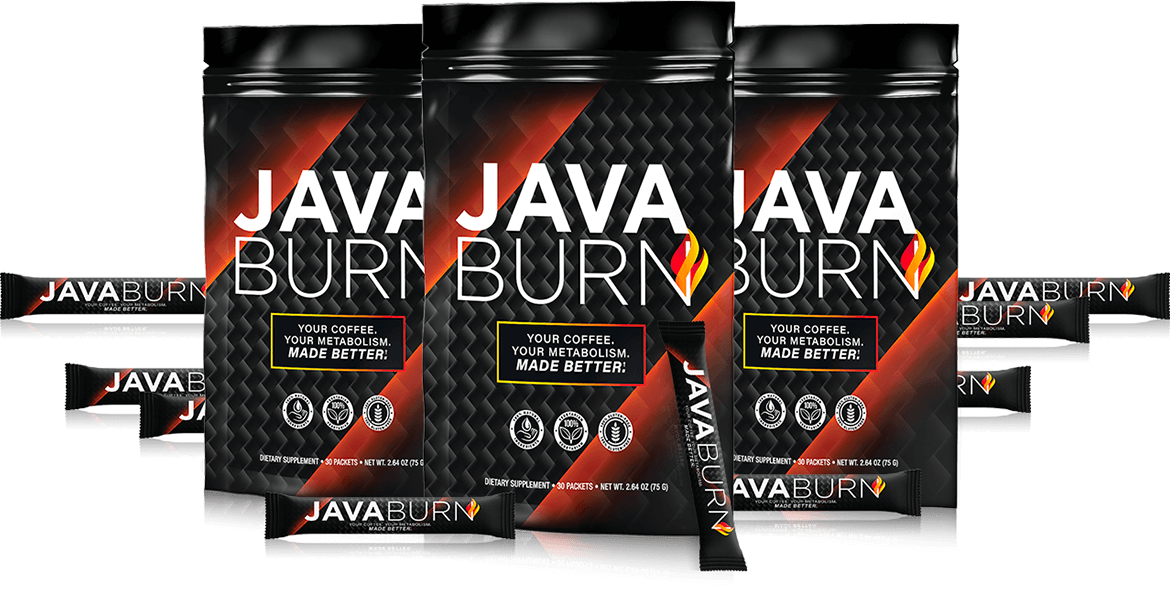
Most of the loophole videos end at a supplement without ever naming what is in it. Java Burn is the formulated version we have looked at most closely on this site: a tasteless powder combining chlorogenic acid, green tea extract, chromium, L-carnitine and L-theanine in one measured dose, with a 60-day money-back guarantee. Our full review covers the ingredients, the pricing tiers and what it does not do.
It is a social media trend built around drinking black coffee with something added to it, usually cinnamon, lemon, honey or cayenne, or a formulated powder, at the moment a hunger pang starts. The claim is that this blunts hunger and supports metabolism. Caffeine does have a real, measured effect on resting metabolic rate and a short-lived effect on appetite. The seven-second window and the "tricks your body into feeling fed" framing are marketing language, not research findings.
From video sales pages and short-form social content, not from a published study. No clinical research has tested a seven-second window between a hunger pang and a sip of coffee, and there is no physiological mechanism that would make seven seconds meaningful. The number is a hook that makes a broad idea about caffeine sound like a specific discovery.
Not on its own, and not in the way the videos suggest. Caffeine raises resting metabolic rate by a small, dose-dependent amount, and it can modestly reduce how much you eat at the very next meal. A 2018 double-blind crossover trial in the Journal of the Academy of Nutrition and Dietetics found about 10 percent lower intake at a laboratory breakfast after a 1 mg/kg caffeine dose, but the effect did not carry through the rest of the day, and the researchers concluded caffeine is not an effective appetite suppressant. Coffee can support a routine. It does not replace diet and activity.
The most common homemade version is black coffee with cinnamon, sometimes with lemon juice, honey, cayenne, cocoa or MCT oil. The paid version replaces the spices with a formulated powder containing ingredients such as chlorogenic acid, green tea extract, chromium, L-carnitine and L-theanine. Both are doing the same thing conceptually: adding something on top of the caffeine already in the cup.
For most healthy adults, coffee within normal limits is well tolerated. The FDA describes 400 milligrams of caffeine a day, roughly two to three 12-ounce cups, as an amount not generally associated with negative effects in healthy adults. Too much caffeine can cause increased heart rate, palpitations, insomnia, anxiety, jitters, upset stomach, nausea and headache. Anyone pregnant, breastfeeding, taking medication or managing a health condition should ask a doctor before adding caffeine or a supplement to a daily routine.
Java Burn is a tasteless powder for the coffee you already drink, backed by a 60-day money-back guarantee.
See Current Pricing