This page contains affiliate links. We may earn a commission if you purchase through them, at no additional cost to you.

Does the Coffee Loophole Actually Work?

You watched the video, you want to know if it is real before you spend anything. Here is the claim taken apart piece by piece, with what the research supports and what it does not.

Last updated: September 18, 2026

The Short Answer

Partly, and not in the way the videos describe. The ordinary part of the claim is supported by published research: caffeine raises resting metabolic rate by a small, dose-dependent amount, and it can modestly reduce how much you eat at the very next meal. The extraordinary parts are not supported. The seven-second window has never been tested by anyone, and no study describes coffee triggering a fullness signal.

Practical translation: if you expect a small contribution to a routine you are already working on, this can deliver that. If you expect what the video shows, on the timeline the video implies, it will not.

Claim by Claim, Graded

The loophole is not one claim, it is four stacked together. They do not stand or fall as a group, which is exactly why the whole thing feels convincing.

1. "Caffeine speeds up your metabolism": supported

A 1989 study in the American Journal of Clinical Nutrition found 100mg of caffeine, roughly one cup of coffee, raised resting metabolic rate by 3 to 4 percent over the following 150 minutes.1 A 1990 double-blind, placebo-controlled study in the same journal tested 100mg, 200mg and 400mg and confirmed the effect scales with dose.2 This part is genuinely real. It is also genuinely small: a few percent of resting metabolic rate is a modest number of calories, not a figure that offsets a poor diet.

2. "It kills your hunger": partly, and briefly

This is the claim the whole loophole rests on, and the best evidence on it is not flattering. A 2018 double-blind crossover trial with 50 adults, published in the Journal of the Academy of Nutrition and Dietetics, found intake at a laboratory breakfast dropped about 10 percent at a 1 mg/kg caffeine dose.3 But the participants' reported hunger did not change, and their total intake across the rest of the day did not change either. The researchers' own conclusion was that caffeine has weak, transient effects on intake and does not work as an appetite suppressant.

3. "It has to be within 7 seconds": no support at all

No published clinical research has tested a seven-second window between a hunger pang and a sip of coffee. There is also no digestive or hormonal mechanism that would make seven seconds different from twenty, or from two minutes. This is the part of the claim carrying none of the evidence and all of the persuasion.

4. "It tricks your body into thinking it ate": no support

Nothing in the research describes a satiety signal being triggered this way. The measurable effect on intake is small, applies to the next meal, and does not persist. "Tricks your body" is a story told about a real but unremarkable finding.

Why the Videos Are Built This Way

Notice what happens if you write the honest version of this: "coffee slightly raises the rate you burn calories, and may make you eat a bit less at your next meal." True, useful, and nobody watches it to the end.

The word "loophole" is doing work there. It reframes a known effect as withheld information, which turns a fact into a secret. The seven seconds turns a vague idea into something that sounds measured and discovered. Neither addition changes what caffeine does in the body.

The practical point is not that everyone involved is dishonest. It is that most of the accounts explaining the loophole in detail also sell a supplement at the end of the explanation, so the explanation is not neutral. You can still buy the product. Just buy it on the ingredient list and the refund policy, not on the seven seconds.

Is the Coffee Loophole a Scam?

The underlying idea is not fabricated. The packaging usually is. Caffeine's effect on metabolic rate and short-term intake is published and repeatable. The urgency, the countdown and the implied transformation are sales copy written around it.

That makes "is it a scam" the wrong question to ask about the trend, and the right question to ask about a specific product. Four things separate a normal supplement purchase from one you will regret:

Green Flags

  • The full ingredient list is published before checkout, not after
  • There is a named company behind it with a findable support contact
  • The refund policy states a length and a process you can actually follow
  • The claims use supportive language rather than promising a number of pounds by a date

Red Flags

  • You cannot see what is in it until you have paid
  • No seller name, no address, no way to reach a human
  • A "trial" that quietly enrolls you in a recurring charge
  • A specific promise of a specific result on a specific timeline, which no supplement can honestly make

If You Still Want to Try It, Do It This Way

Nothing here says do not try it. Coffee with cinnamon is a pleasant, cheap habit, and attaching a supplement to a cup you already drink is a genuinely easy way to keep a routine. The difference is in the expectation you set going in.

Step 1

Drop the Stopwatch

Drink it when you want the coffee. The seven seconds contributes nothing, and building a habit around an arbitrary rule is the fastest way to abandon the habit in a week.

Step 2

Pick One Version

Either the homemade mix or a formulated powder, not both at once. Running both means you learn nothing about whether either one suits you, and it stacks caffeine and extracts without tracking the total.

Step 3

Judge It on Weeks

The measured effects are per-cup and short-lived, so anything that adds up does so through daily consistency alongside diet and activity. A 60-day guarantee is a far more useful trial window than any number in a sales video.

Homemade or Formulated: The Only Decision That Matters

Both versions are doing the same thing: adding something on top of the caffeine already in the cup. What actually differs is cost, whether the dose is measured, and what happens if it does not suit you.

The two ways people run the coffee loophole, compared
Homemade recipeFormulated powder
Cost per day~$0.20–$0.50$1.63–$2.30
DosingEstimated by spoonMeasured per serving
Taste impactNoticeable, spice and acidityDesigned to be tasteless
If it doesn't suit youNo recourseMoney-back guarantee, 60 days on Java Burn

Java Burn cost per day is based on the 6-bottle package ($294 / 180 days) and the 3-bottle package ($207 / 90 days). Homemade costs are rough estimates and vary by brand and local prices. This is a cost comparison, not a claim that either option treats or cures anything.

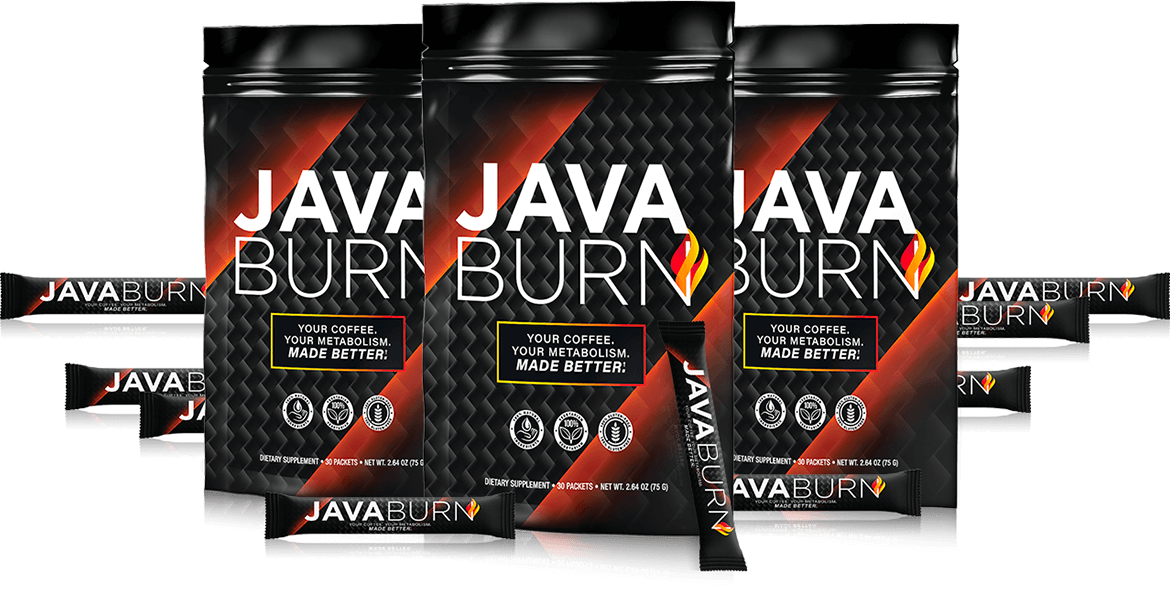
Java Burn packets and pouches
The Formulated Option We'd Point To

Java Burn

If you have decided the measured version makes more sense than eyeballing spices, Java Burn is the one we have looked at most closely here. It is a tasteless powder combining chlorogenic acid, green tea extract, chromium, L-carnitine and L-theanine, it publishes its ingredients and pricing before checkout, and it carries a 60-day money-back guarantee. It is not a treatment and it is not a shortcut. It is the measured version of a habit you were going to keep anyway.

FAQ

Does the coffee loophole work?

Partly, and not in the way the videos describe. Caffeine raises resting metabolic rate by a small, dose-dependent amount, and it can modestly reduce intake at the very next meal. The seven-second window has never been tested, and no research describes coffee triggering a fullness signal. Expect a small contribution to a routine you are already working on, not the result in the video.

Is the coffee loophole a scam?

The underlying idea is not fabricated, but the packaging usually is. The effect of caffeine on metabolic rate and short-term appetite is real and published. The seven-second framing, the urgency and the implied transformation are sales copy. Most accounts explaining the loophole in detail are selling a supplement at the end of the explanation, which is worth knowing before treating the explanation as neutral advice. Whether a specific product is worth buying comes down to ordinary things: a full ingredient list, a real company behind it, and a refund policy you can actually use.

How long would it take to see anything?

There is no honest timeline to give, and a specific promise of one is a warning sign rather than a selling point. The measured effects are per-cup and short-lived, so anything that adds up does so through daily consistency alongside diet and activity. Most guarantees in this category run 60 days, which is a more useful way to frame a trial than any number in a sales video.

Is the homemade recipe as good as a supplement?

They are the same idea at different levels of precision. The homemade version costs roughly 20 to 50 cents a day and every amount is estimated by spoon. A formulated powder costs more, dissolves without changing the taste, and gives a measured dose with a refund policy behind it. Neither is a treatment for anything. The honest difference is guesswork and taste, not one working while the other does not.

What should I check before buying any coffee loophole supplement?

Four things. A full ingredient list published before checkout rather than only after purchase. A named, findable company rather than a video with no seller information. A refund policy with a stated length and a working way to contact support. And no promise of a specific number of pounds on a specific timeline, which no supplement can honestly make.

Keep Reading

Decided the Measured Version Is Worth a Try?

Java Burn publishes its ingredients and pricing up front and is backed by a 60-day money-back guarantee.

See Current Pricing