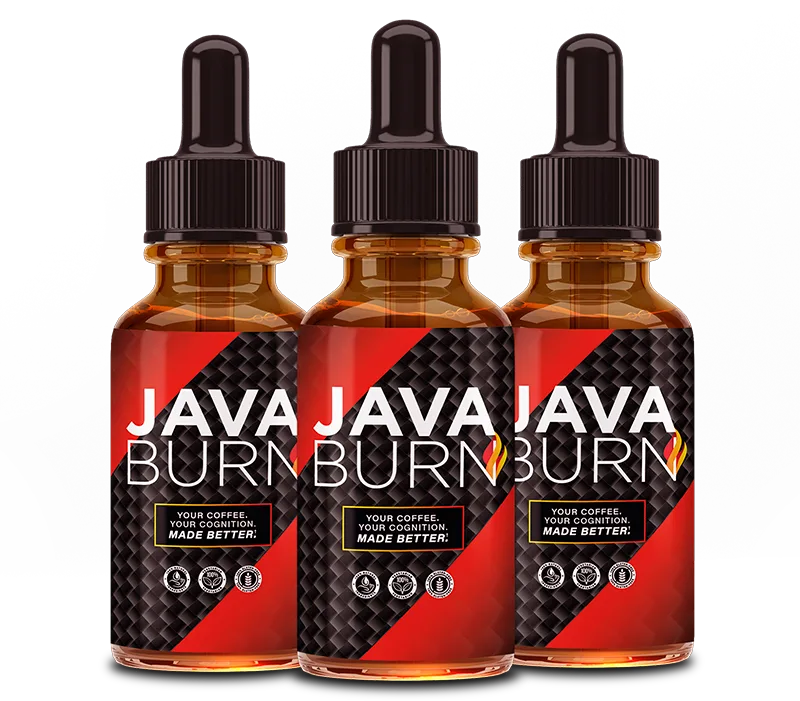
Pantry-shelf additions like cinnamon and MCT oil vs. purpose-built morning coffee ritual supplements like Java Burn — what the "coffee hack" trend actually claims, what's realistic, and which approach we'd pick.
Turning your morning coffee into a small metabolism-support ritual is a real, researched idea, not just marketing — caffeine alone has a modest, documented effect on metabolic rate. What went viral as the "coffee loophole" or "coffee hack" trend overstates it into a single trick. The honest version: a good coffee addition is a small consistent habit, not a shortcut. This guide compares the two main categories of morning coffee ritual supplements — DIY spice additions and formulated powders like Java Burn — so you can pick the one that actually fits how you drink coffee.
A 100mg dose of caffeine — about one cup of coffee — raises resting metabolic rate by 3-4% over 150 minutes, according to a 1989 study in the American Journal of Clinical Nutrition.1 That real, dose-dependent finding is the actual research behind the viral "coffee loophole" trend. A separate 1990 double-blind study in the same journal tested 100mg, 200mg, and 400mg doses and confirmed the effect scales with dose, though the exact percentage at higher doses varies by study and by person.2 Taking caffeine before moderate exercise has also been linked to a modest bump in fat oxidation during the workout. Social platforms turned that real, dose-dependent finding into viral "coffee loophole" and "7-second coffee hack" trends that imply something closer to a shortcut. The underlying science is real; the shortcut framing isn't — and past 2-3 cups, most people are trading sleep quality and jitters for a shrinking return, which is the actual case for adding something beyond just more caffeine.
That's the actual reason a "morning coffee ritual" — adding something specific to your daily cup, consistently — is worth taking seriously as a small habit. It's also why no single addition, DIY or formulated, replaces diet, activity, and sleep as the main levers. For a deeper look at the research itself, see our guide to what actually boosts coffee's metabolism effect.
In practice, morning coffee ritual supplements split into two camps: pantry-shelf DIY additions and formulated powders. Both aim to turn caffeine's modest, research-backed metabolism bump into a habit you actually keep up — but they differ in dosing precision, taste impact, and cost per cup. Here's how the two compare.
DIY coffee ritual additions use small, specific amounts: 1/2-1 teaspoon of cinnamon, a pinch to 1/8 teaspoon of cayenne, 1/4-1/2 teaspoon of turmeric, and 1 teaspoon of MCT oil built up gradually. These are common starting amounts, not prescriptions — tolerance varies, and it's worth checking with a doctor before adding any of these daily if you're on medication or manage a health condition.
A common starting point is 1/2 to 1 teaspoon per cup, stirred in while the coffee is still hot so it disperses instead of clumping. Ceylon cinnamon is the gentler choice for daily use; Cassia (the cheaper, more common grocery-store type) contains more coumarin, so it's usually kept to smaller, less frequent amounts rather than an everyday teaspoon.
Cayenne is typically used in much smaller amounts — a pinch to about 1/8 teaspoon — since heat tolerance varies a lot person to person; start smaller than you think. Turmeric is usually 1/4 to 1/2 teaspoon, and is often paired with a small pinch of black pepper, since piperine in black pepper is commonly cited as improving turmeric's absorption.
Most guidance starts at 1 teaspoon and builds up gradually over days or weeks, since jumping straight to a tablespoon or more is a common cause of stomach upset. Adding it to hot coffee and blending or frothing briefly helps it incorporate instead of sitting on top as a separate layer of oil.
None of these require precise timing the way a fasted supplement might — stirring the addition into your normal morning cup is enough. What research on caffeine and metabolic rate does suggest is that consistency matters more than the exact time of day: a habit you actually keep up daily outperforms a "perfect" routine you abandon after a week.
Java Burn is the formulated option we'd point to if you want a measured, tasteless addition instead of assembling your own spice mix. It packages several of the same categories of ingredient discussed above — chlorogenic acid, green tea extract, chromium, L-carnitine, L-theanine, plus a vitamin complex — into one daily packet, with a 60-day money-back guarantee if it's not for you.
Side by side, a DIY spice mix costs about $0.20-$0.50 a day with estimated dosing and a noticeable taste change, while Java Burn runs $1.63-$2.30 a day for a measured, tasteless dose backed by a 60-day money-back guarantee — the tradeoff is precision and convenience versus price.
| DIY Spice Mix | Java Burn | |
|---|---|---|
| Cost per day (est.) | ~$0.20–$0.50 | $1.63–$2.30 |
| Dosing | Estimated | Measured |
| Taste impact on coffee | Noticeable | None (tasteless) |
| Ingredients per serving | 1–2 typically | 6 combined |
| Guarantee | None | 60-day money-back |
Java Burn cost per day is based on the 6-bottle package ($294/180 days) and 3-bottle package ($207/90 days). DIY cost is a rough estimate and will vary by brand and local prices. This is a general comparison of approaches, not a claim that either option treats or cures any condition. Individual results vary.
It depends on whether you want a pantry-shelf approach or a formulated one. Cinnamon, turmeric, cayenne pepper and MCT oil are common DIY additions with some research behind their individual effects. Purpose-built powders like Java Burn combine several researched ingredients (chlorogenic acid, green tea extract, chromium, L-carnitine, L-theanine) into one measured, tasteless dose instead of you guessing amounts yourself.
Caffeine itself has a modest, well-documented effect on metabolic rate, generally cited in the single digits to low double digits percentage-wise in short-term studies. The viral framing of a "loophole" or a single 7-second trick overstates what any coffee addition can do on its own. The realistic version is that coffee plus the right ingredients can be a small, consistent piece of a broader routine, not a shortcut around diet and activity.
A DIY mix (cinnamon, cayenne, MCT oil) is cheaper and uses ingredients you may already have, but dosing is a guess and some additions change the taste of your coffee. A formulated product is measured, tasteless, and combines multiple researched ingredients in one packet, at a higher cost than raw pantry spices. Neither replaces diet and activity as the main driver of results.
There's no known conflict between adding cinnamon or MCT oil to a coffee that also has Java Burn in it, since they work through different mechanisms. That said, stacking multiple new additions at once makes it harder to tell what's actually helping. If you're trying either for the first time, introduce one change at a time and check with a doctor if you have any health condition or take medication.
Java Burn costs about $1.63 a day on the 6-bottle package ($294 for 180 days) or $2.30 a day on the 3-bottle package ($207 for 90 days). That's more than a DIY spice mix, which runs roughly $0.20-$0.50 a day, but Java Burn adds measured dosing and a 60-day money-back guarantee.
Ceylon cinnamon is generally the gentler choice for daily use. Cassia cinnamon, the cheaper type most commonly sold in grocery stores, contains more coumarin and is usually kept to smaller, less frequent amounts rather than an everyday teaspoon. Check with a doctor first if you take medication or manage a health condition.
See our full independent Java Burn review for the complete ingredient breakdown, pricing across the 2/3/6-bottle packages, and where to buy at the best price with the 60-day money-back guarantee.
Java Burn is backed by a 60-day money-back guarantee, with pricing that drops the more bottles you order.
See Current Pricing