This page contains affiliate links. We may earn a commission if you purchase through them, at no additional cost to you.

Cinnamon in Coffee for Weight Loss

What the research actually found, why the dose that was studied is not the one in your cup, and the safety ceiling nobody mentions when they tell you to add a spoonful.

Last updated: September 18, 2026

Quick Take

For weight, the effect is real but very small. For blood sugar, the evidence is more interesting and still unsettled. That is the honest summary, and it is more useful than either version you usually see, which is that cinnamon melts fat or that it does nothing at all.

The complication that almost nobody raises: the trial that found a glucose effect used 4 grams a day in capsules, while ordinary supermarket cinnamon carries a coumarin limit that two teaspoons would push most adults past. The dose with evidence behind it and the dose that stays safely inside the margin sit close together.

What the Weight Studies Actually Found

There is a decent body of research here, and it is consistent in one respect: whatever is happening is small.

1.68cm

Reduction in waist circumference at doses below 1.5g a day, across a review of 35 studies

Summarized in The Conversation1
0.92kg

Body weight reduction in a meta-analysis of 21 trials, alongside 0.40 kg/m² in BMI

Summarized in The Conversation1
0.67kg

Average weight loss reported in an umbrella review, with BMI down 0.45 kg/m²

Summarized in The Conversation1

Read those numbers as a set rather than one at a time. Under a kilogram of body weight, and under two centimeters of waist, from studies specifically designed to detect a cinnamon effect. That is not nothing, and it is also not what "cinnamon burns fat" is meant to convey. A dietitian writing up this evidence put it plainly: the weight loss seen in the high quality studies is very small.

The Blood Sugar Evidence Is the Interesting Part

A 2024 randomized, double-blind crossover trial in the American Journal of Clinical Nutrition took 18 adults with obesity and prediabetes, gave them 4 grams of cinnamon a day for four weeks against a placebo, with a washout period in between, and tracked them using continuous glucose monitoring rather than occasional finger sticks.2

The result: 24-hour glucose concentrations were significantly lower on cinnamon than on placebo, and glucose peaks were lower too. Triglycerides came down as well.

Now the parts a headline leaves out, which matter just as much:

What Strengthens It

  • Randomized, double-blind, placebo-controlled, and crossover, so each person acted as their own control
  • Continuous glucose monitoring picks up patterns that single measurements miss, which may be why earlier null results looked different
  • Four weeks of daily use, not a single-dose laboratory session

What Limits It

  • 18 participants. That is a small trial by any standard
  • Cinnamon was given in capsules, not stirred into food or coffee
  • The authors state directly that cinnamon's effect on glucose control remains uncertain, given mixed results across earlier research
  • The population was adults with obesity and prediabetes, so it does not automatically transfer to someone with normal blood sugar

The Gap Between the Study and Your Cup

This is the part worth sitting with. A teaspoon of ground cinnamon is roughly 3 grams. The trial used 4 grams a day, in capsules. Most recipes tell you to add a quarter to half a teaspoon, which is somewhere between 0.75 and 1.5 grams.

The studied dose, the recipe dose, and the safety ceiling, side by side
AmountWhat it means
Typical recipe dose1/4 to 1/2 tsp, about 0.75–1.5gBelow the amount used in the glucose trial
Dose in the 2024 trial4g a day, in capsulesRoughly 1.3 teaspoons, taken as a supplement rather than in food
Coumarin ceiling, cassiaUnder 2 tsp, about 6gTwo teaspoons puts an adult over 60kg past the EFSA tolerable daily intake1

So the recipe dose is probably too low to do what the trial saw, and the trial dose is close enough to the coumarin ceiling that you would not want to eyeball it daily with supermarket cassia. That is not a reason to avoid cinnamon in coffee. It is a reason to stop treating "add a spoonful" as though it were the intervention that was tested.

Cassia or Ceylon: Which One Is in Your Cupboard?

If you use cinnamon occasionally, this hardly matters. If you are about to add it to coffee every morning, it does.

Most likely yours

Cassia

  • The ordinary supermarket cinnamon, and almost always what an unlabeled jar contains
  • Contains up to 1 percent coumarin, which is the whole reason a daily ceiling exists
  • Cheaper, stronger, and slightly harsher in flavor
  • Fine occasionally; the one to watch if you are using it daily in larger amounts
Worth the swap

Ceylon

  • Sold as Ceylon or "true" cinnamon, and labeled as such because it costs more
  • Contains far less coumarin, which is what makes it the sensible daily choice
  • Milder and sweeter, which some people prefer in coffee anyway
  • Switching type removes the coumarin worry. It does not turn a spoonful into the trial dose

Who Should Be Careful

A general precaution list, not medical advice. If you are in any of these groups, the answer is simply to ask a doctor first rather than to work it out from a recipe page.

Anyone pregnant or breastfeeding. Anyone with a liver condition, since coumarin is processed by the liver and that is precisely what the daily limit is built around. Anyone taking blood sugar medication, because an ingredient with a plausible glucose effect stacked on top of medication that already lowers glucose is a conversation worth having. Anyone on blood thinners.

So Is It Worth Adding to Your Coffee?

Yes, with the right expectation. Cinnamon in coffee is cheap, pleasant, and at a quarter to half a teaspoon there is no real downside for most healthy adults. If it makes black coffee something you enjoy rather than tolerate, that alone is a decent reason.

What it is not is the mechanism doing the work. The caffeine in the cup has better evidence behind it than the spice on top, and a small, uncertain effect measured in a trial of 18 people using capsules is not a weight loss plan. If you want a measured daily dose of ingredients studied for metabolism rather than a spoonful you are estimating, that is an argument for a formulated product, not for more cinnamon.

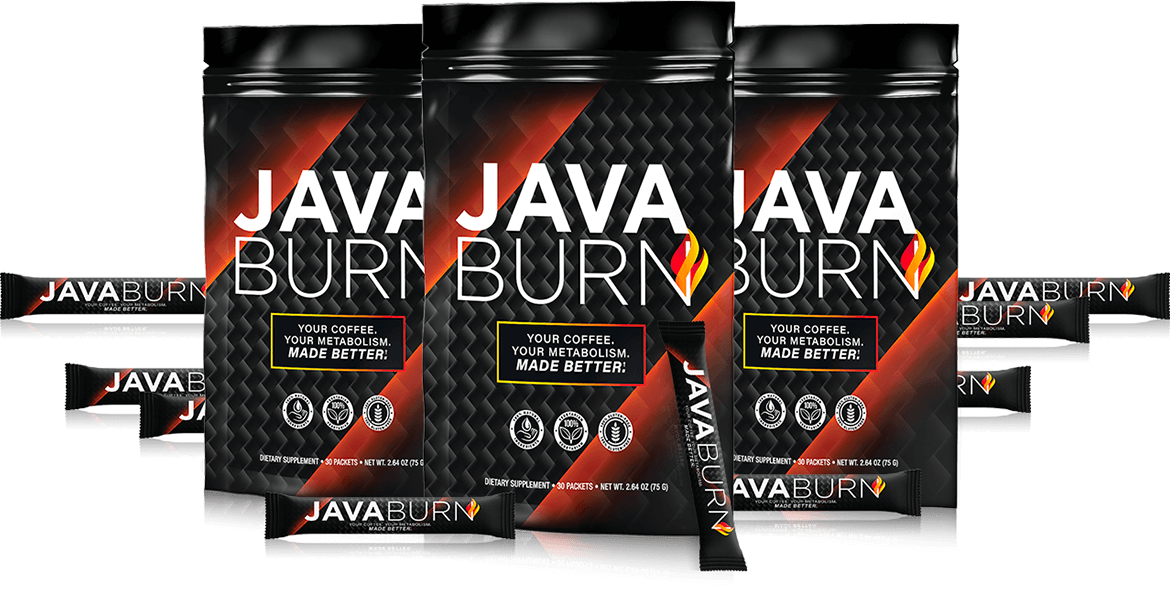
Java Burn packets and pouches
The Measured Alternative

Java Burn

If the appeal of cinnamon was never the flavor but the idea of adding something useful to your morning cup, a formulated powder does that with a measured serving instead of a spoon. Java Burn combines chlorogenic acid, green tea extract, chromium, L-carnitine and L-theanine, dissolves without changing the taste, and publishes its ingredients and pricing before checkout with a 60-day money-back guarantee.

FAQ

Does cinnamon in coffee actually burn fat?

Not in any meaningful sense. The weight research is consistent in one way: whatever effect exists is small. A review of 35 studies found doses below 1.5 grams a day decreased waist circumference by about 1.68cm, a meta-analysis of 21 trials found reductions of 0.40 kg/m² in BMI and 0.92kg in body weight, and an umbrella review put the average loss at 0.67kg. Those are real numbers from good studies, and they are not fat burning in the sense the social media version means.

What does cinnamon actually do, then?

The more interesting evidence is about blood sugar. A 2024 randomized, double-blind crossover trial in the American Journal of Clinical Nutrition gave 18 adults with obesity and prediabetes 4 grams of cinnamon a day for four weeks and found lower 24-hour glucose concentrations and lower glucose peaks against placebo, using continuous glucose monitoring. The trial was small, used capsules rather than cinnamon stirred into food, and the authors note that cinnamon's effect on glucose control remains uncertain across the wider literature.

How much would you need, and is that safe?

This is where the practical problem sits. The trial used 4 grams a day, and a teaspoon of ground cinnamon is roughly 3 grams, so the studied amount is more than most people stir into a cup. At the same time, cassia cinnamon contains up to 1 percent coumarin, and against the European Food Safety Authority's tolerable daily intake, two teaspoons would put an adult over 60kg past the limit. The dose with evidence behind it and the dose that stays comfortably inside the safety margin are close together.

Is Ceylon cinnamon better than cassia for daily use?

On the coumarin question specifically, yes. Cassia is the common supermarket cinnamon and carries up to 1 percent coumarin. Ceylon contains far less, which makes it the sensible choice if you intend to use cinnamon daily rather than occasionally. It costs more and tastes milder. Note that studies showing benefits have generally not used supermarket spice from a jar, so switching type does not turn the recipe into the trial.

Who should be careful with cinnamon in coffee?

Anyone pregnant or breastfeeding, anyone with a liver condition given that coumarin is processed by the liver, anyone taking blood sugar medication, since a blood sugar effect on top of medication is a conversation for a doctor rather than a recipe, and anyone taking blood thinners. This is a general precaution list, not medical advice.

Keep Reading

Want a Measured Dose Instead of a Spoonful?

Java Burn is a tasteless powder for the coffee you already drink, backed by a 60-day money-back guarantee.

See Current Pricing