This page contains affiliate links. We may earn a commission if you purchase through them, at no additional cost to you.

The Coffee Loophole Recipe

Real measurements, what each ingredient is actually doing, and the three things the recipe posts never mention.

Last updated: September 18, 2026

The Recipe, Up Front

One cup of hot black coffee, a quarter to half a teaspoon of ground cinnamon, one to two teaspoons of lemon juice, and a teaspoon of honey. Popular variations swap or add a pinch of cayenne, a quarter teaspoon of turmeric, a teaspoon of cocoa powder, or a teaspoon of MCT oil.

There is no fixed formula, and that is worth knowing before you go hunting for the "real" one. The recipe did not come out of research, so every version you find is someone's preference. Cinnamon is the only ingredient that shows up in nearly all of them.

The Base Recipe and Its Common Variations

Per one cup of brewed coffee. The first four are the standard version; the rest are common swaps.
IngredientAmountWhy people add it
Black coffee1 cup, hotThe caffeine. This is the part with actual research behind it.
Ground cinnamon1/4 to 1/2 tspBlood sugar response. The most consistent ingredient across versions.
Lemon juice1 to 2 tspNo evidence behind it. See below before you add it.
Honey1 tspTaste. It is also sugar, which is worth naming.
CayenneA pinch to 1/8 tspCapsaicin. Start smaller than you think; heat tolerance varies a lot.
Turmeric1/4 tspOften paired with a pinch of black pepper, which is commonly cited as improving absorption.
Cocoa powder1 tspTaste, mostly. Unsweetened, or the sugar math changes.
MCT oil1 tsp, built up graduallySatiety and texture. Start at a teaspoon; more than that upsets a lot of stomachs.

These are common starting amounts, not prescriptions. Tolerance varies, and it is worth checking with a doctor before adding any new ingredient daily, especially if you take medication or manage a health condition.

What Each Ingredient Is Actually Doing

The recipe treats all of these as equals. The evidence does not.

Caffeine: the ingredient carrying the recipe

A 1989 study in the American Journal of Clinical Nutrition found 100mg of caffeine, roughly one cup, raised resting metabolic rate by 3 to 4 percent over the following 150 minutes.1 Real, repeatable, and modest. Everything else in the cup is sitting on top of this.

Cinnamon: better for blood sugar than for weight

The weight evidence is thin. Across high quality reviews, the changes are small: roughly 1.68cm off waist circumference at doses below 1.5g a day in one review of 35 studies, and around 0.9kg of body weight in a meta-analysis of 21 trials.2 The blood sugar side is more interesting. A 2024 randomized crossover trial in the same journal gave 18 adults with obesity and prediabetes 4 grams of cinnamon a day and measured lower 24-hour glucose against placebo.3 Note the design honestly: 18 people, capsules rather than a spoon in coffee, and the authors themselves say the effect on glucose control remains uncertain across the wider literature.

Lemon: no evidence, and two small costs

Dietitians covering the coffee and lemon trend have been blunt about it: there is no evidence the combination does anything for weight that coffee does not already do.4 Two practical downsides are worth more attention than the claim. Coffee and lemon can each trigger reflux, and together that gets worse for people prone to it. Lemon juice is also acidic enough to wear at tooth enamel over time.

Honey, cocoa and MCT oil: taste and calories

These are in the recipe because black coffee with cinnamon and cayenne is not pleasant to everyone. That is a legitimate reason to add them. It is not a metabolic one, and they are the only ingredients here that bring calories with them.

Three Things the Recipe Posts Leave Out

One

The Honey Is Sugar

A teaspoon of honey is about 21 calories of sugar. A tablespoon of MCT oil is roughly 120. Neither is dramatic on its own, but a drink sold as a weight loss tool that arrives with added sugar and added fat deserves to be named for what it is. If you want the metabolic part, black coffee with cinnamon costs nothing.

Two

Cinnamon Has a Ceiling

Cassia cinnamon, the ordinary supermarket kind, contains up to 1 percent coumarin. Against the European Food Safety Authority's tolerable daily intake, two teaspoons would put an adult over 60kg past the limit.2 Nobody measuring by eye is tracking that. Ceylon cinnamon contains far less if you want to use more.

Three

The Studied Dose Isn't the Recipe

The cinnamon trial that found a glucose effect used 4 grams a day in capsules. A teaspoon of ground cinnamon is roughly 3 grams, so that is more than most people would stir into a cup, and it sits close to the coumarin ceiling if you are using cassia. The dose that was studied and the dose in the recipe are not the same thing.

What It Costs You in Calories

Worth running once, because the full version of the recipe is not a zero-calorie drink.

Approximate calories added per cup, by ingredient
IngredientAmountApproximate calories
Black coffee1 cupNegligible
Ground cinnamon1/2 tspAbout 3
Lemon juice2 tspAbout 2
Honey1 tspAbout 21
MCT oil1 tbspAbout 120

Figures are rounded and vary by brand. The point is not that 20 or 140 calories ruins anything. It is that the two ingredients contributing the calories are the two with the least evidence behind them, which is a strange way to build a drink you are making for metabolic reasons.

How to Actually Make It

Step 1

Stir the Cinnamon Into Hot Coffee

Ground cinnamon does not dissolve, it suspends. Add it to the coffee while it is hot and stir properly, or you get a raft of powder on top and a gritty mouthful at the end.

Step 2

Add the Optional Extras One at a Time

Cayenne especially. A pinch is enough to change the whole cup, and heat tolerance varies more than people expect. Adding everything at once on day one is how most people decide they hate it.

Step 3

Drink It When You Want Coffee

Ignore the seven-second rule. It was never tested and there is no mechanism behind it. Building a habit around an arbitrary timing rule is the fastest way to drop the habit inside a week.

When the Ready-Made Version Makes More Sense

The homemade recipe is cheap and the ingredients are probably already in your kitchen. Its honest weaknesses are that every amount is a guess, it noticeably changes how your coffee tastes, and if it does not suit you there is nothing to refund.

The homemade recipe compared with a formulated coffee powder
Homemade recipeFormulated powder
Cost per day~$0.20–$0.50$1.63–$2.30
DosingEstimated by spoonMeasured per serving
Taste impactNoticeable, spice and acidityDesigned to be tasteless
Added caloriesUp to about 140 with honey and MCT oilNegligible
If it doesn't suit youNo recourseMoney-back guarantee, 60 days on Java Burn

Java Burn cost per day is based on the 6-bottle package ($294 / 180 days) and the 3-bottle package ($207 / 90 days). Homemade costs are rough estimates and vary by brand and local prices. This is a cost comparison, not a claim that either option treats or cures anything.

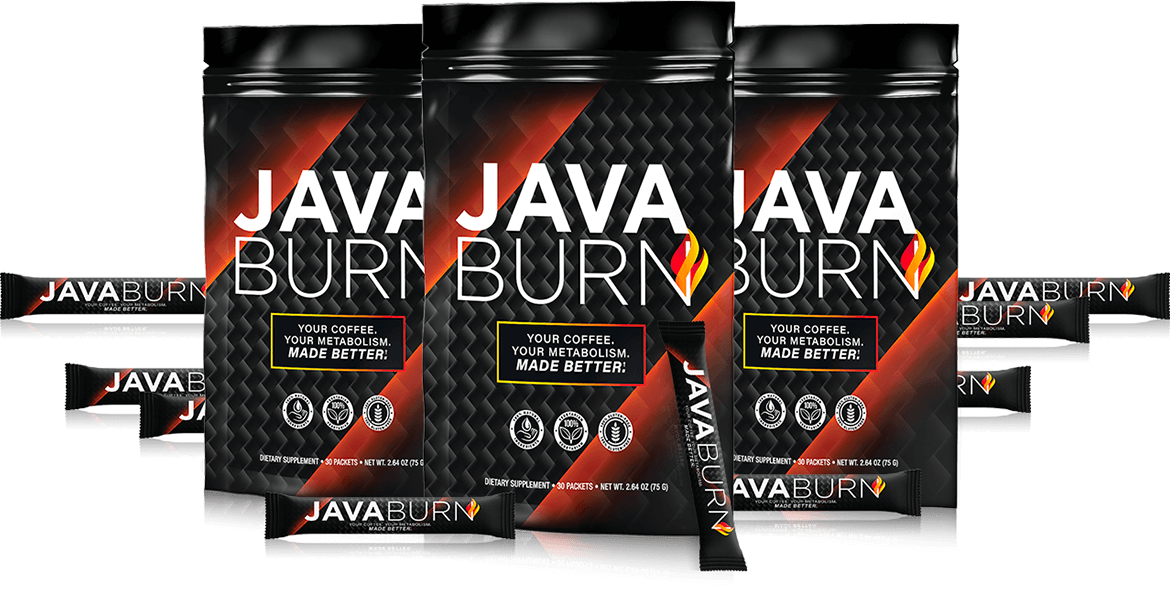
Java Burn packets and pouches
If the Spoon Guesswork Isn't For You

Java Burn

The measured version of the same idea: a tasteless powder combining chlorogenic acid, green tea extract, chromium, L-carnitine and L-theanine, stirred into the coffee you already drink. No spice raft, no eyeballed amounts, no sugar added to a drink you are making for metabolic reasons. Ingredients and pricing are published before checkout, with a 60-day money-back guarantee.

FAQ

What is the coffee loophole recipe?

One cup of hot black coffee with a quarter to half a teaspoon of ground cinnamon, one to two teaspoons of lemon juice, and a teaspoon of honey. Common variations swap or add a pinch of cayenne, a quarter teaspoon of turmeric, a teaspoon of cocoa powder, or a teaspoon of MCT oil. There is no fixed formula, because the recipe was not developed from research. Cinnamon is the one ingredient that appears in nearly every version.

How much cinnamon should go in coffee?

A quarter to half a teaspoon per cup is the common amount, and it is worth staying near that. Cassia cinnamon, the ordinary supermarket kind, contains up to 1 percent coumarin, and against the European Food Safety Authority's tolerable daily intake, two teaspoons would put an adult over 60kg above the limit. Ceylon cinnamon contains far less coumarin if you want to use more.

Does the honey defeat the purpose?

It is a fair question that recipe posts rarely raise. A teaspoon of honey is about 21 calories of sugar, and a tablespoon of MCT oil is roughly 120 calories. Neither is dramatic, but a drink presented as a weight loss tool that arrives with added sugar and added fat is worth looking at honestly. If you are making it for the metabolic effect rather than the taste, black coffee with cinnamon costs nothing in calories.

Does lemon in coffee help you lose weight?

No. Dietitians covering the coffee and lemon trend have been direct: there is no evidence the combination does anything for weight that coffee does not do on its own. There are two small costs to weigh instead. Coffee and lemon can each trigger reflux, and together that gets worse, and lemon juice is acidic enough to erode tooth enamel over time.

How long should you drink it before judging it?

Think in weeks, not mornings, and keep expectations proportionate. The measured effects behind the trend are per-cup and short-lived, so anything that adds up does so through daily consistency alongside diet and activity. There is no seven-second window, and no recipe on its own replaces those two things.

Keep Reading

Prefer a Measured Dose Over a Spoon?

Java Burn is a tasteless powder for the coffee you already drink, backed by a 60-day money-back guarantee.

See Current Pricing