What people actually report, which ingredient each issue traces back to, the caffeine math most reviews skip entirely, and who should leave this one alone.
Last updated: September 18, 2026
The issues people report most often with Java Burn are stomach upset or bloating, headache, and jitteriness or disturbed sleep. None of them are unique to the product. They line up with the known profile of two things: caffeine, and concentrated green tea extract. That matters more than it sounds, because it means the usual fix is adjusting your total intake rather than concluding the powder disagrees with you.
What follows is the ingredient-by-ingredient picture, the caffeine arithmetic that almost every review of this product skips, and an honest note about what we could not verify. Reports of this kind are user accounts rather than clinical trial findings, and individual responses vary. None of this is medical advice.
Java Burn is a powder you stir into coffee you were already going to drink. So the honest question is not "how much caffeine is in the supplement", it is "what is my total for the day once this is part of the routine".
Daily caffeine the FDA describes as not generally associated with negative effects in healthy adults
12-ounce cups of coffee that roughly amounts to
Green tea extract carries some caffeine of its own, so the working total is your cup plus whatever the formula contributes
The symptoms the FDA lists for too much caffeine are the same ones that show up in complaints about this product: increased heart rate, palpitations, insomnia, anxiety, jitters, upset stomach, nausea and headache.1 If that list looks familiar from a bad afternoon with too much coffee, that is the point.
Practical read: if you are already at three or four cups a day, adding a metabolism powder on top and then blaming the powder for a poor night's sleep skips the obvious variable. The sensible move is to hold your coffee intake steady rather than increase it when you start, so you can actually tell what the powder is doing.
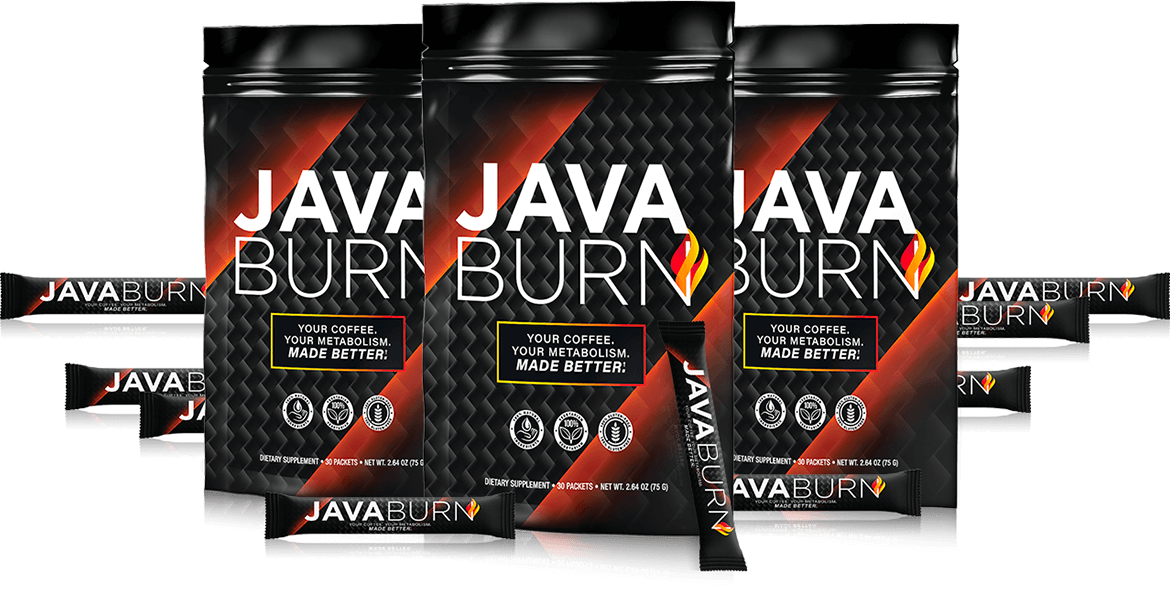
Java Burn combines five main ingredients. Here is the tolerability picture for each, separate from any claim about what it does.
The ingredient that deserves the most attention, and the one most reviews skip. The NIH LiverTox database notes that more than 100 instances of clinically apparent liver injury attributed to green tea extract have been reported in the literature.2 Two pieces of context matter. First, the concern attaches to concentrated supplement extracts, not to ordinary brewed green tea, which is associated with the opposite pattern in observational data. Second, the European Food Safety Authority has linked daily doses equivalent to 800mg of EGCG or more to significant liver enzyme elevations.2 Against very wide use, reported cases remain uncommon. It is a reason to know what else you are taking, not a reason to panic.
Naturally present in coffee beans, so if you drink coffee you already consume it daily. Where people report trouble it is usually gastrointestinal, stomach upset in those sensitive to it, especially on an empty stomach.
A trace mineral commonly found in multivitamins and blood sugar support formulas. The relevant caution is not the ingredient in isolation but the overlap: if you take a separate chromium supplement, or medication for blood sugar, that combination is worth raising with your doctor rather than stacking quietly.
An amino acid involved in moving fatty acids into cells for energy. Reported issues are typically digestive, nausea or stomach discomfort, and generally at higher doses than a coffee additive would contain.
The one ingredient in the formula that is there partly to soften a side effect rather than cause one. It is an amino acid found in tea, commonly associated with steadier energy alongside caffeine and fewer jittery feelings.
What we could not verify: the per-serving milligram amounts for each ingredient were not something we could confirm from publicly available label information. That limits how precisely anyone can compare this formula against the dose thresholds in the research above, and we would rather say so than imply a precision we do not have. If dosing detail matters to your decision, ask the seller's support for the label before ordering.
This is a general precaution list, not medical advice. A doctor who knows your history is the right person to clear it.
Do not increase your cups the same week you start. If you change two things at once and sleep badly, you have learned nothing about either.
Most of the stomach complaints in this category come from an empty stomach, not from the formula itself. Morning coffee alongside breakfast is an easy first test.
Read the labels of anything else in your routine for green tea extract, EGCG, chromium or added caffeine. Stacking without noticing is the most common way people end up feeling unwell on something ordinary.
Yes, in the ordinary sense that matters for a purchase. It is a real product from a named seller, sold through an established payment processor, with the ingredients and the pricing tiers published before checkout and a 60-day money-back guarantee attached.
That is a different question from whether it will suit you personally, which no review can answer in advance. The guarantee is what covers that gap. If it does not agree with you, stop taking it, speak to a doctor if anything persists, and use the refund window rather than waiting it out.
A tasteless powder for the coffee you already drink, combining chlorogenic acid, green tea extract, chromium, L-carnitine and L-theanine. Ingredients and pricing are published before checkout, and the 60-day money-back guarantee is the part that matters most if you are reading a side effects page before ordering.
Stomach upset or bloating, headache, and jitteriness or disturbed sleep. None are unique to the product; they match the known profile of caffeine and of concentrated green tea extract, which means the usual fix is adjusting your total intake rather than assuming the powder disagrees with you. These are user reports, not clinical trial findings, and individual responses vary.
The powder goes into coffee you are already drinking, so the cup is still the main contributor. Green tea extract carries some caffeine of its own, so the working total is your coffee plus whatever the formula adds. The FDA describes 400mg of caffeine a day, roughly two to three 12-ounce cups, as an amount not generally associated with negative effects in healthy adults. If you are already near that from coffee alone, adjust the coffee rather than adding a fourth cup alongside.
Worth understanding rather than worrying about. The NIH LiverTox database notes more than 100 cases of clinically apparent liver injury attributed to green tea extract in the literature, with the concern attaching to concentrated supplement extracts rather than ordinary brewed green tea. The European Food Safety Authority has linked daily doses equivalent to 800mg of EGCG or more to significant liver enzyme elevations. We could not verify the per-serving amount in this formula from publicly available label information, so the practical caution is about stacking: if you already take a separate green tea or EGCG supplement, raise that combination with your doctor.
Anyone pregnant or breastfeeding, anyone under 18, anyone who already sleeps poorly or feels jittery on their current caffeine intake, anyone with a liver condition or taking medication that affects the liver, and anyone on medication that interacts with caffeine, green tea extract or chromium, without a doctor's input first. This is a general precaution list, not medical advice.
Stop taking it, and speak to a doctor if anything persists. On the purchase itself, Java Burn carries a 60-day money-back guarantee, which exists precisely for this case. Keep your order confirmation and contact the seller's support inside that window rather than waiting.
Java Burn publishes its ingredients and pricing up front and is backed by a 60-day money-back guarantee.
See Current Pricing